Andrew
Knowing how to check engine oil is one of the most important basic car maintenance skills every driver should master. Engine oil plays a critical role in lubricating moving parts, reducing friction, regulating temperature, and preventing internal engine damage. When oil levels drop too low or oil quality degrades, engines suffer faster wear, reduced performance, and in severe cases, catastrophic failure.
Despite its importance, many vehicle owners overlook routine oil checks, relying solely on dashboard warning lights. Unfortunately, by the time an oil warning light appears, damage may already be underway. Learning how to check engine oil manually gives you early control, helps you avoid costly repairs, and extends engine lifespan.
This guide is based on real-world automotive maintenance practices, manufacturer guidelines, and professional mechanic standards. It explains not just what to do, but why each step matters.
How to Check Engine Oil Level in Car
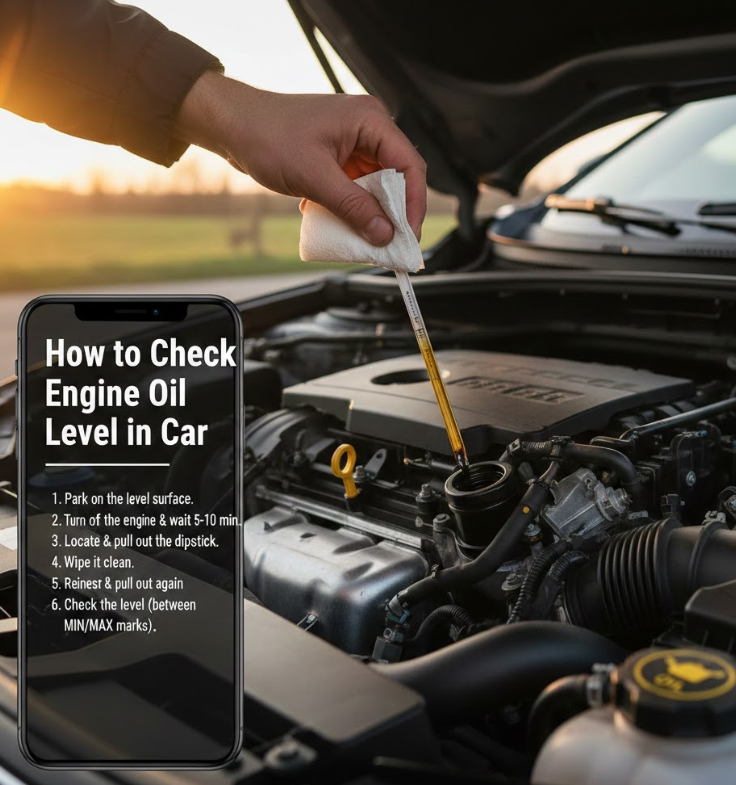
Checking the engine oil level in your car allows you to confirm whether your engine has enough lubrication to operate safely. Oil level checks are simple but must be done correctly to ensure accurate readings.
Engine oil levels can fluctuate due to temperature, driving habits, and engine wear, making routine checks essential.
Understanding Proper Oil Level Measurement
• Park the car on a level surface
Oil settles unevenly on slopes, leading to inaccurate dipstick readings. A flat surface allows oil to collect evenly in the oil pan, providing a true measurement of available lubrication.
• Turn off the engine and let it cool
Hot oil circulates through the engine and hasn’t settled yet. Waiting 5–10 minutes allows oil to drain back into the pan, ensuring an accurate level check.
• Locate the oil dipstick correctly
Most dipsticks are marked with a bright handle for easy identification. Knowing its location prevents confusion with transmission or brake fluid components.
• Remove, clean, and reinsert the dipstick fully
Wiping the dipstick clean removes residual oil that could distort the reading. Reinserting it fully ensures the measurement reflects actual oil volume.
• Check oil level against minimum and maximum marks
Oil should sit between the two markers. Levels below minimum can cause engine damage, while overfilling may create pressure and seal failure.
• Top up oil gradually if needed
Adding small amounts prevents overfilling. Rechecking ensures the oil level stays within the safe operating range.
Also Read:-How to Reheat Pizza in Oven: Expert Tips for Perfect Slices
How to Check Engine Oil Dipstick
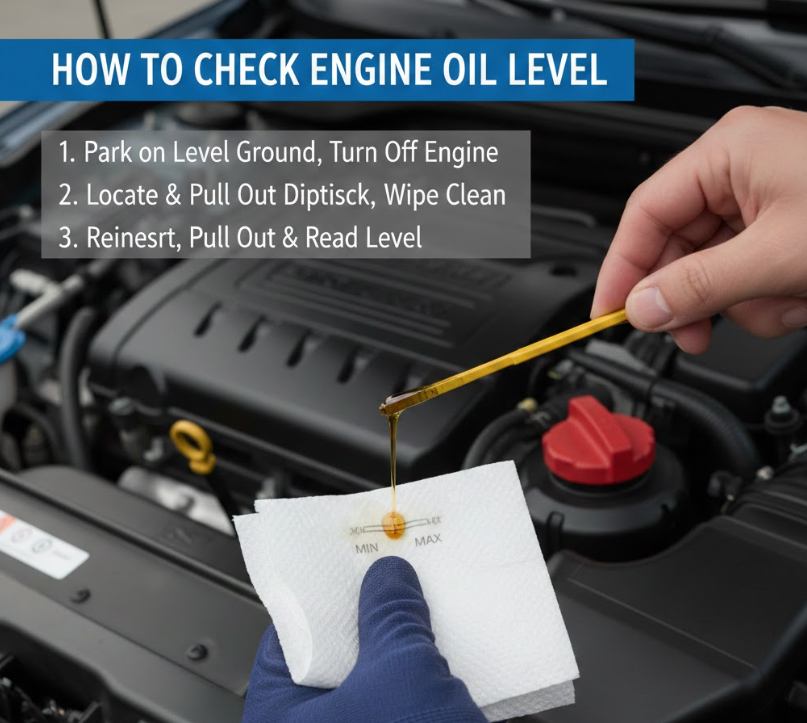
The dipstick is the most direct tool for understanding your engine’s oil condition. Learning how to check engine oil dipstick readings correctly helps you interpret both oil quantity and health.
Dipstick checks reveal early warning signs of engine problems long before dashboard alerts appear.
Reading and Interpreting the Oil Dipstick
• Understand dipstick markings
Dipsticks typically have “MIN” and “MAX” lines or cross-hatched areas. These indicators define safe oil operating limits.
• Observe oil color on the dipstick
Fresh oil appears amber, while dark oil may indicate age or contamination. Milky oil can signal coolant leaks and serious engine issues.
• Check oil consistency and thickness
Oil should feel smooth and slightly slippery. Gritty textures may indicate metal particles or sludge buildup.
• Smell the oil for abnormalities
A burnt smell suggests overheating, while a fuel odor may indicate incomplete combustion or injector problems.
• Repeat the reading for accuracy
Checking twice ensures the oil settled correctly and prevents misinterpretation due to residual streaks.
• Clean and reseat the dipstick properly
Leaving the dipstick unsecured can allow contaminants into the engine and affect pressure readings.
Also Read:- How to Make Matcha Latte: A Complete Guide for Cafe-Quality Results at Home
How to Check Engine Oil Pressure Sensor
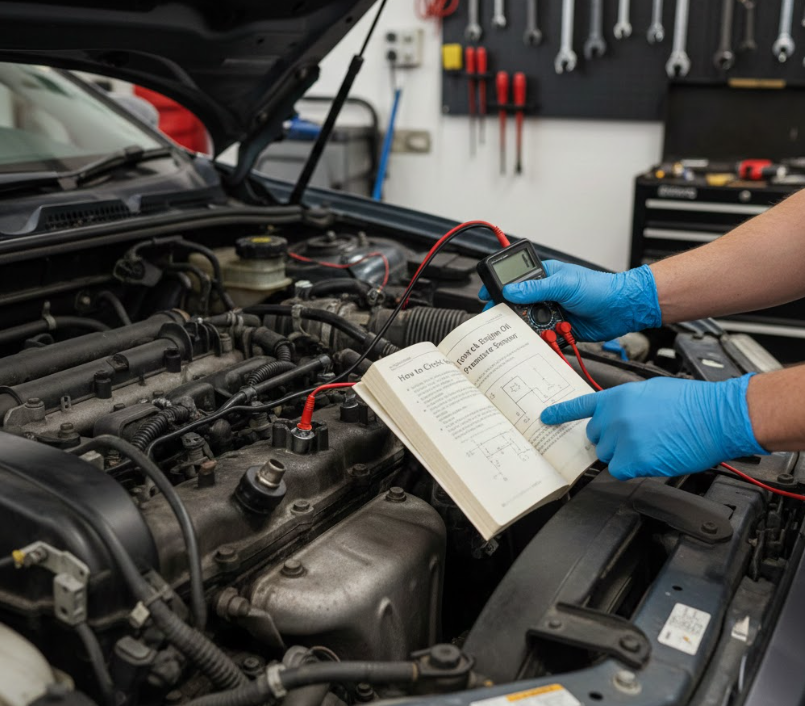
Modern vehicles rely on oil pressure sensors to monitor lubrication flow. Understanding how to check engine oil pressure sensor function helps diagnose warning lights and engine performance issues.
Oil pressure sensors do not measure oil level but indicate whether oil circulates at safe pressure.
Evaluating Oil Pressure Sensor Function
• Understand the difference between oil level and pressure
Low oil pressure can occur even with adequate oil levels, often due to pump failure, clogged filters, or worn bearings.
• Recognize oil pressure warning signs
Dashboard oil pressure lights, ticking noises, or engine hesitation may signal sensor or lubrication issues.
• Inspect wiring and sensor connections
Loose or damaged wiring can trigger false warnings. Visual inspections often reveal obvious electrical faults.
• Use diagnostic tools when needed
OBD-II scanners can read oil pressure sensor codes, helping pinpoint whether the issue is electrical or mechanical.
• Test actual oil pressure manually
Professional gauges confirm whether pressure readings are accurate or sensor-related.
• Replace faulty sensors promptly
Ignoring sensor failures can mask real engine problems, leading to severe damage over time.
Also Read:- How to Pair Beats Earbuds: The Complete Guide for Every Device
How to Check Engine Oil Quality
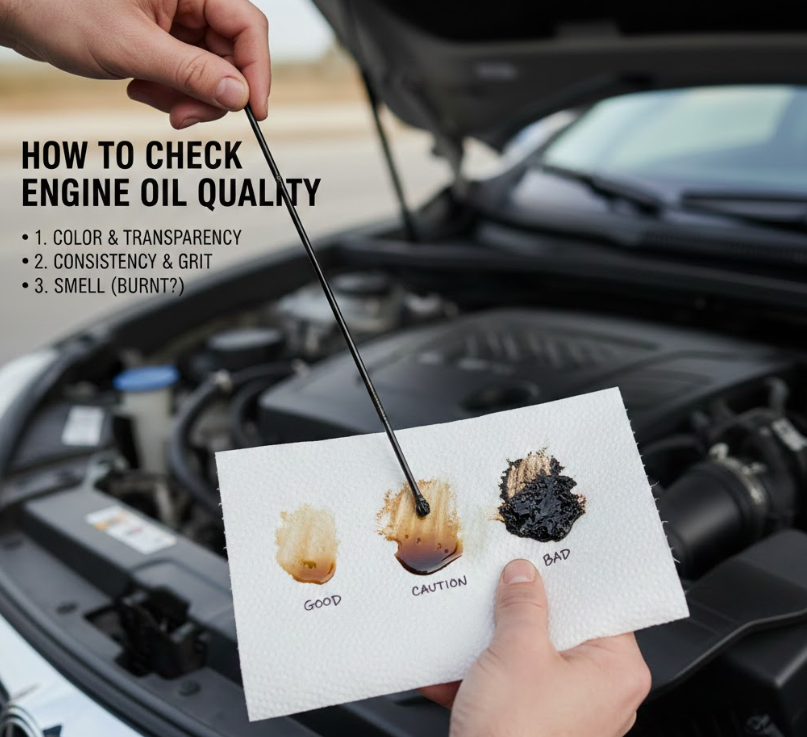
Oil quality affects lubrication efficiency, heat resistance, and engine cleanliness. Knowing how to check engine oil quality helps determine whether an oil change is necessary.
Even oil at the correct level can be ineffective if degraded.
Signs of Healthy vs. Degraded Engine Oil
• Evaluate oil color changes
Darkening oil is normal over time, but thick black sludge indicates oxidation and contamination.
• Check for metal particles
Shimmering flecks suggest internal wear, often from bearings or piston components.
• Feel oil texture between fingers
Healthy oil feels smooth, while gritty oil signals contamination.
• Observe oil foaming or bubbles
Foam can indicate coolant mixing or air infiltration, both harmful to engine health.
• Consider driving conditions
Frequent short trips, heavy loads, and extreme temperatures degrade oil faster.
• Follow manufacturer oil change intervals
Even high-quality synthetic oil has a lifespan and must be replaced on schedule.
Also Read:- How to Measure TV Size: The Complete, Accurate Buyer’s Guide
How to Check Engine Oil Expiry Date
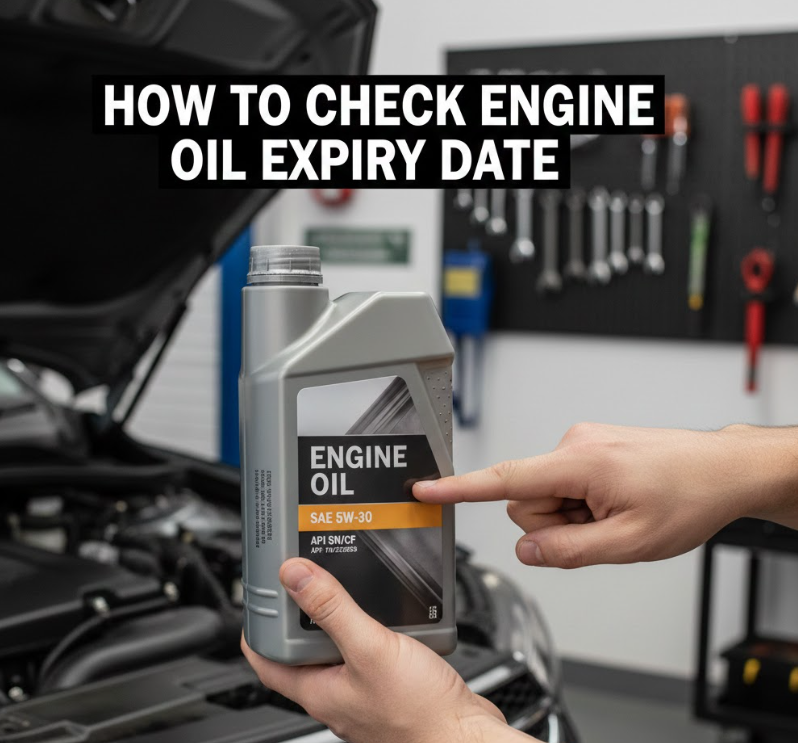
Engine oil degrades over time, even if unused. Learning how to check engine oil expiry date ensures you never pour ineffective oil into your engine.
Oil chemistry breaks down with age, exposure, and improper storage.
Understanding Oil Shelf Life and Expiry
• Check oil container labels
Many manufacturers include production dates or batch codes indicating shelf life.
• Understand typical oil lifespan
Unopened conventional oil lasts about 3–5 years, while synthetic oils may last longer when stored properly.
• Inspect stored oil visually
Cloudiness, separation, or sediment suggests degradation.
• Avoid using expired oil
Expired oil loses lubrication properties, increasing engine wear.
• Store oil in proper conditions
Cool, dry storage away from sunlight extends oil usability.
• Follow manufacturer recommendations
Always prioritize vehicle manufacturer oil specifications over convenience.
Also Read:- How to Ice Skate: A Complete Beginner-to-Advanced Guide
Conclusion: Why Knowing How to Check Engine Oil Matters
Learning how to check engine oil is a simple habit with powerful long-term benefits. Regular oil checks protect your engine from premature wear, improve fuel efficiency, and help you detect problems early. Whether you’re checking oil levels, dipstick readings, pressure sensors, oil quality, or expiry dates, consistency is key.
By investing just a few minutes each month, you safeguard your vehicle’s performance, reliability, and resale value.
FAQs
How often should I check engine oil?
At least once a month or before long trips.
Can I check engine oil when the engine is hot?
It’s best to wait until the engine cools for accurate readings.
Does oil color alone mean I need a change?
Not always, but dark or gritty oil usually signals it’s time.
For More Info Visit Hola-Fly