Andrew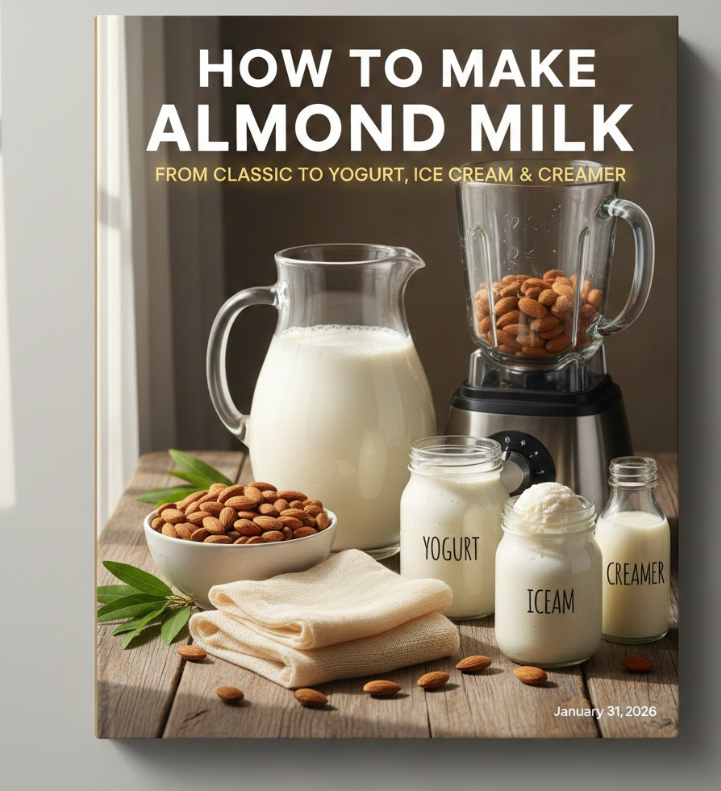
Almond milk is a nutritious, dairy-free alternative that has grown in popularity due to its versatility, health benefits, and suitability for vegan and lactose-intolerant diets. Learning how to make almond milk at home allows you to control sweetness, flavor, and additives while ensuring freshness. Homemade almond milk is free from preservatives, artificial flavors, and stabilizers found in store-bought versions, making it a healthier choice for daily consumption.
Making almond milk involves soaking almonds, blending them with water, and straining to achieve a smooth, creamy texture. Beyond traditional milk, almond milk can also be transformed into yogurt, ice cream, creamer, and even almond butter-based milk, offering endless culinary possibilities. This article explores how to make almond milk at home, create almond milk yogurt, ice cream, creamer, and even versions using almond butter, complete with tips, variations, and expert advice.
By the end of this guide, you will be equipped to craft almond milk for any recipe, adjust flavors, and enjoy the rich nutritional profile of almonds in a creamy, plant-based beverage.
How to Make Almond Milk at Home
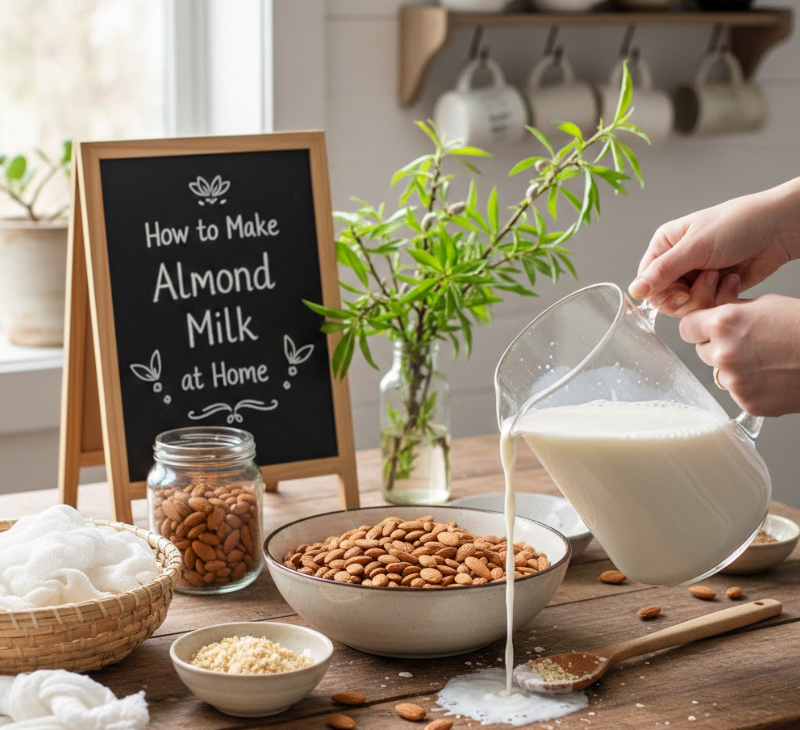
Making almond milk at home is straightforward, requiring just almonds, water, and optional flavorings. Homemade almond milk is fresher, more customizable, and cost-effective compared to store-bought options.
• Select high-quality almonds – Raw, unsalted almonds yield the best flavor. Organic almonds are preferred for a cleaner, nutrient-rich milk.
• Soak almonds overnight – Soaking softens the almonds, making them easier to blend and improving nutrient bioavailability. Typically, 8–12 hours is ideal.
• Drain and rinse soaked almonds – Proper rinsing removes impurities and enhances taste. This step ensures the milk has a smooth texture.
• Blend almonds with fresh water – Use 1 cup of almonds to 3–4 cups of water for a creamy consistency. Blending for 1–2 minutes ensures thorough emulsification.
• Strain the mixture – Use a nut milk bag, cheesecloth, or fine-mesh strainer to separate almond pulp from liquid, producing smooth milk.
• Flavor and store – Add vanilla, dates, or a pinch of salt for taste. Store in the refrigerator for 3–4 days and shake before use to maintain consistency.
Homemade almond milk offers versatility in thickness and flavor, making it ideal for drinking, cooking, or baking.
Also Read:- How to Find Limiting Reactant: Complete Guide for Chemistry Students
How to Make Almond Milk Yogurt
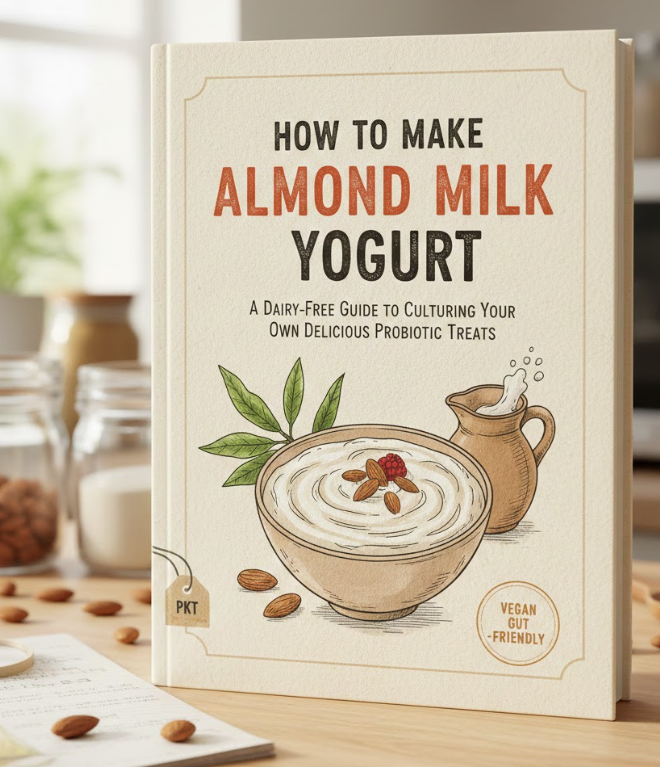
Almond milk yogurt is a creamy, plant-based alternative to traditional yogurt, perfect for breakfast, smoothies, or dessert. Making almond milk yogurt involves fermenting almond milk with probiotics, creating a tangy, nutritious product.
• Prepare almond milk – Follow the basic almond milk preparation steps. Ensure the milk is smooth and free from clumps to promote even fermentation.
• Add thickeners – Ingredients like agar agar, tapioca starch, or arrowroot powder help achieve yogurt-like texture. Thickeners improve mouthfeel and consistency.
• Warm almond milk – Heat the milk to 110°F (43°C) for optimal probiotic activation. Maintaining proper temperature is essential for effective fermentation.
• Add probiotics or yogurt starter – Stir in probiotic capsules or store-bought dairy-free yogurt with live cultures. This introduces beneficial bacteria.
• Ferment the mixture – Cover and incubate for 8–12 hours in a warm place. Fermentation time affects tanginess and consistency.
• Chill and flavor – Refrigerate yogurt for 4–6 hours, then add sweeteners, fruit, or spices. Homemade almond milk yogurt can last 5–7 days in the fridge.
Almond milk yogurt is rich in plant-based protein and probiotics, making it a healthy, versatile addition to any diet.
Also Read:- How to Make Simple Syrup: The Ultimate Guide
How to Make Almond Milk Ice Cream
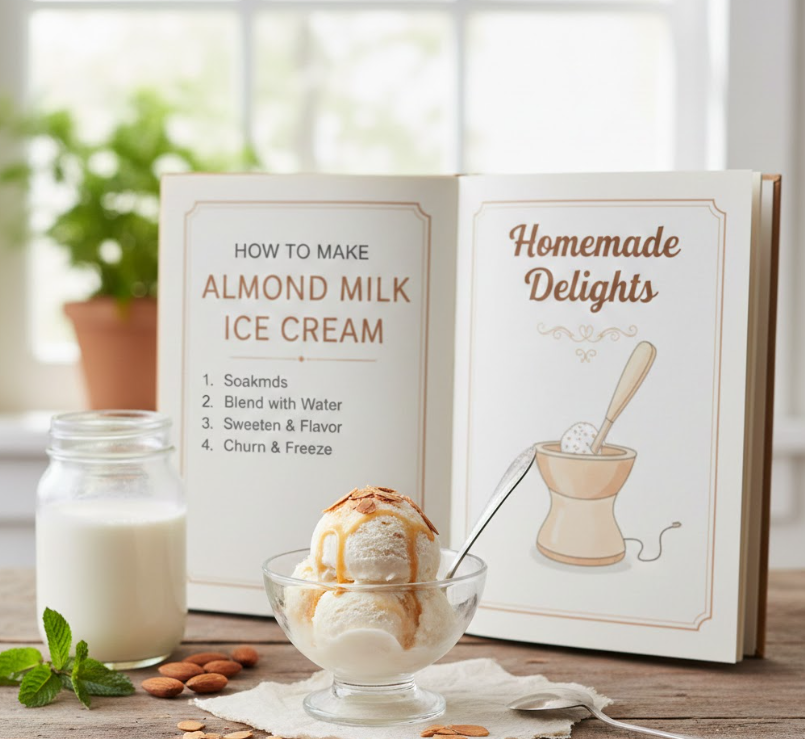
Almond milk ice cream provides a creamy, dairy-free dessert option with rich flavor and smooth texture. Crafting almond milk ice cream requires careful blending, sweetening, and freezing to achieve the perfect consistency.
• Prepare almond milk base – Use homemade almond milk as the foundation. A richer base ensures a creamier ice cream.
• Sweeten and flavor – Add natural sweeteners like maple syrup, agave, or coconut sugar. Include vanilla, cocoa, or fruit purees for flavor variations.
• Use a thickening agent – Ingredients like cornstarch, arrowroot, or coconut cream improve creaminess and reduce ice crystals.
• Blend thoroughly – Ensure all ingredients are well incorporated for a smooth texture. Blending is crucial for uniform flavor distribution.
• Churn in ice cream maker or freeze – Use an ice cream maker for optimal creaminess, or stir periodically during freezing to prevent ice crystals.
• Store and serve – Freeze for 4–6 hours, then serve. Almond milk ice cream is best consumed within a week for freshness and texture.
Almond milk ice cream is perfect for vegans, lactose-intolerant individuals, and anyone seeking a light, flavorful dessert without dairy.
Also Read:- How to Hold Chopsticks: The Complete Beginner’s Guide
How to Make Almond Milk Creamer
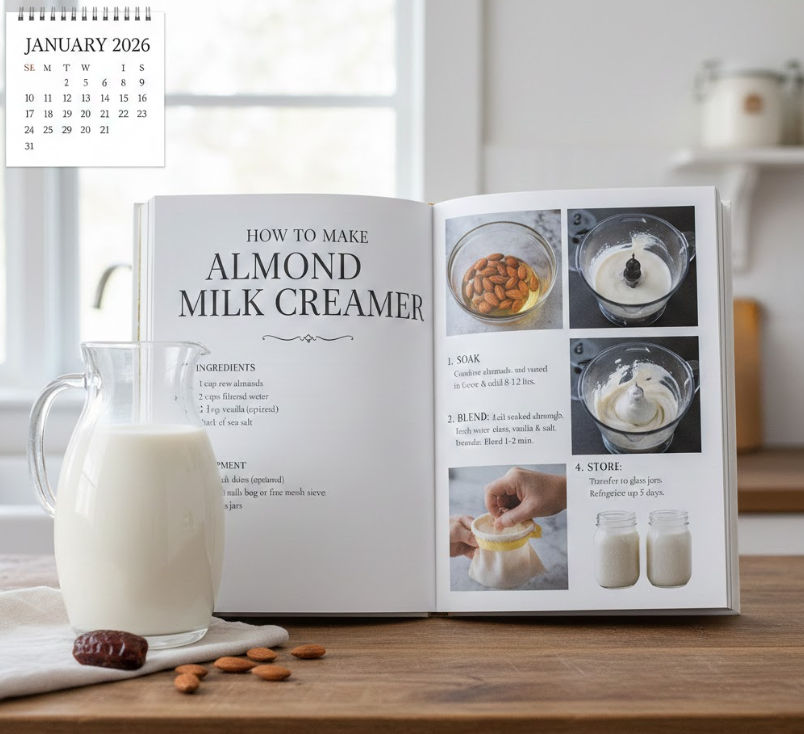
Almond milk creamer transforms plain almond milk into a rich, flavorful addition for coffee, tea, or cereal. Homemade creamer allows control over sweetness, flavor, and ingredients, avoiding artificial additives found in commercial products.
• Start with fresh almond milk – Homemade almond milk provides the smooth base needed for creamy texture. Fresh milk enhances flavor and consistency.
• Add sweeteners – Include maple syrup, honey, or dates for sweetness. Adjust according to taste preference.
• Incorporate flavors – Vanilla, cocoa, cinnamon, or nutmeg elevate the flavor profile of your creamer. Natural flavorings provide a clean taste.
• Use a thickening agent if needed – Tapioca starch, arrowroot, or coconut cream helps achieve a creamy texture without dairy.
• Blend thoroughly – Use a high-speed blender for emulsification. Proper blending ensures smooth consistency and prevents separation.
• Store in refrigerator – Keep creamer in an airtight container for 5–7 days. Shake before each use to maintain uniform texture.
Homemade almond milk creamer is a convenient, healthier alternative to store-bought options, perfect for coffee lovers seeking plant-based solutions.
Also Read:- How to Fold a Fitted Sheet: The Complete Step-by-Step Expert Guide
How to Make Almond Milk with Almond Butter
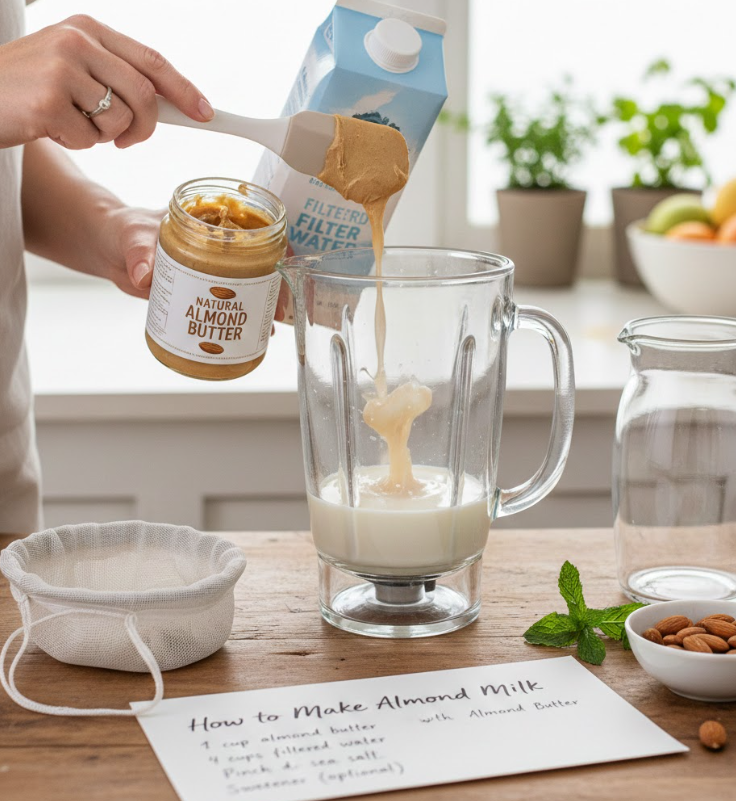
Using almond butter to make almond milk is a quicker alternative that requires no soaking. Almond butter milk is creamy, rich, and ideal for smoothies, cereals, and beverages.
• Select high-quality almond butter – Preferably unsweetened and natural. Quality affects both taste and texture.
• Combine with water – Mix 2–3 tablespoons of almond butter per cup of water. Adjust water for desired thickness.
• Blend thoroughly – High-speed blending ensures smooth consistency. Blending breaks down almond butter and evenly distributes flavor.
• Strain if desired – Optional straining removes any remaining almond particles. Straining is recommended for smooth beverages.
• Flavor naturally – Add vanilla, cinnamon, cocoa, or sweeteners for personalized taste. Flavoring enhances versatility.
• Store properly – Refrigerate in a sealed container for up to 4–5 days. Shake before use to maintain consistency.
Almond butter milk provides a convenient, fast alternative to traditional almond milk, retaining creamy texture and nutrient content without soaking whole almonds.
Also Read:- How to Eat Caviar: The Complete Expert Guide for Beginners and Enthusiasts
Conclusion
Learning how to make almond milk at home opens a world of healthy, plant-based culinary options. From traditional homemade almond milk to yogurt, ice cream, creamer, and almond butter versions, homemade almond milk offers control over flavor, sweetness, and nutritional content.
With these step-by-step methods, you can enjoy fresh, creamy, and delicious almond milk tailored to your taste, free from preservatives, and versatile enough for drinks, desserts, and cooking. Mastering these techniques provides a foundation for healthier, plant-based eating and culinary creativity.
FAQs:
Q: Can I make almond milk without soaking almonds?
Yes, using almond butter is a quick alternative that still yields creamy milk.
Q: How long does homemade almond milk last?
Stored in the refrigerator, it typically lasts 3–5 days. Shake before each use.
Q: Can almond milk be used for cooking?
Absolutely, it works in baking, smoothies, sauces, and beverages as a dairy substitute.
Q: How do I make almond milk sweeter naturally?
Use dates, maple syrup, or vanilla extract for natural sweetness without processed sugar.
For More Info Visit Hola-Fly